Water damage in Beaverton can begin with a leaking supply line, failed appliance, overflowing fixture, burst pipe, roof problem, sewage backup, or storm-related water intrusion. Sometimes the damage is obvious. Other times, the first clue is a damp baseboard, a change in flooring, or a musty smell that appears after the visible water is gone.
Oregon's wet seasons add another layer to the problem. Frequent rainfall and elevated humidity can contribute to moisture concerns in homes and commercial properties across Washington County and the greater Portland area. Local properties also range from older Portland-area homes to newer construction, multifamily buildings, offices, retail spaces, and other commercial facilities.
Professional restoration goes beyond removing water from the floor. ANSI/IICRC S500 calls for professional moisture detection, documentation of water migration, evaluation of affected materials, drying goals, and ongoing moisture measurements. Those steps help property owners understand what became wet and what needs to happen next.
For homeowners, commercial property owners, property managers, insurance professionals, and referral partners, separating restoration myths from facts can lead to better decisions when every hour matters.
Myth: “I Can Handle the Water Damage Cleanup Myself”
Removing the water you can see does not tell you how far the water traveled.
Picture a dishwasher supply line leaking in a Beaverton kitchen. Towels and a wet vacuum may remove water from the finished floor, yet moisture can migrate beneath cabinets, baseboards, flooring, and adjoining walls. The room can look much better while materials below the surface remain wet.
ANSI/IICRC S500 directs restorers to begin the moisture inspection near the source and continue in all directions until the extent of migration has been identified. Wood flooring, gypsum wallboard, resilient flooring, plaster, and other materials can be evaluated with professional moisture instruments. Thermal imaging can help identify areas of potential migration, followed by appropriate moisture-detection equipment to verify conditions.
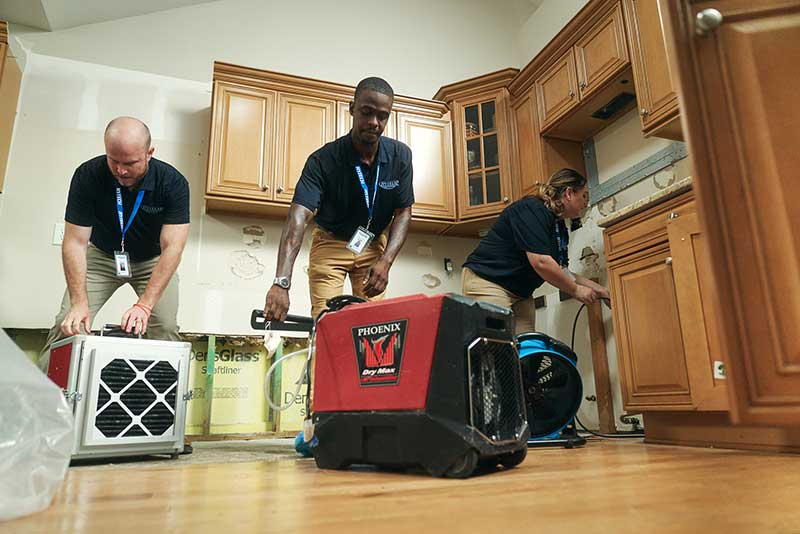
Rytech Restoration of Portland uses IICRC-certified technicians, specialized restoration equipment, moisture meters, thermal imaging, and professional drying systems. That turns cleanup into a measured process rather than a visual guess.
Before assuming a DIY cleanup worked, ask yourself: Do I know where the water stopped?
Myth: “Mold Only Develops After a Long Time”
Mold prevention starts with controlling moisture, not waiting to see visible growth.
Water-damage guidance recommends drying or removing water-impacted materials as soon as possible. Rytech's technical knowledge includes guidance recommending action within 48 hours after a water release to minimize the potential for mold growth, while also recognizing that mold does not follow an identical timeline in every building.
That distinction matters around Portland. Frequent rainfall, elevated humidity, condensation, plumbing leaks, roof issues, drainage problems, and ventilation deficiencies can all contribute to persistent moisture conditions. Rytech Portland specifically evaluates these moisture sources during local mold inspections.
ANSI/IICRC S500 also directs restorers to establish drying goals expected to inhibit microbial growth. When mold growth is discovered or suspected during water restoration, S500 refers restorers to ANSI/IICRC S520 for professional mold remediation procedures.
When mold is present, Rytech focuses on containment, mold removal, filtration, cleaning, and reducing harmful mold spores in the indoor environment while addressing the moisture conditions connected to the growth.
Myth: “Drying Out My Home Only Takes a Day or Two”
No fixed number of days can tell you when every water-damaged property is dry.
Drywall, wood framing, hardwood, engineered flooring, carpet, cabinets, insulation, and concrete absorb and release moisture differently. The amount of water, duration of exposure, temperature, humidity, airflow, and construction of the affected assembly all influence drying.
ANSI/IICRC S500 calls for restorers to establish a dry standard and drying goals for affected materials. An acceptable way to establish a dry standard is to evaluate similar materials in unaffected areas. The drying goal then provides a measurable target for the affected material.
Measurements continue during the project. S500 calls for relevant moisture readings to be recorded and monitored daily, preferably around the same time each day, until drying goals are achieved. When benchmarks are not being met, the restorer investigates the reason and takes corrective action.
Professional drying ends when the measurements support completion, not simply when two days have passed.
Myth: “A Little Water Can't Cause Much of a Problem”
A small amount of visible water can hide a larger moisture footprint.
Imagine a refrigerator line slowly leaking in a Hillsboro home. Only a thin damp line may appear beside the appliance, while water has already traveled beneath the flooring or reached the wall behind the refrigerator. Similar hidden migration can happen around toilets, sinks, washing machines, water heaters, and other plumbing fixtures.
Water can move under walls and into adjoining rooms even when no moisture is visible on the surface. ANSI/IICRC S500 specifically directs restorers to inspect adjoining areas when water migration may have extended beyond the obvious wet location.
This is where moisture mapping becomes useful. S500 calls for the extent of migration to be documented, at minimum, with a moisture map showing areas affected by migrating water.
A small puddle tells you how much water you can see. It does not tell you how much of the building became wet.
Myth: “Household Cleaning Products Are Enough for Water Damage Cleanup”
Household cleaners can help clean an accessible surface. They cannot measure moisture inside a building assembly.
A cleaning product cannot determine whether water remains behind drywall, underneath flooring, or inside a cabinet assembly. It also cannot establish the contamination conditions associated with the water source.
Professional water damage restoration combines inspection, extraction, cleaning when needed, drying, dehumidification, and moisture monitoring. Rytech Restoration's water mitigation guidance describes water extraction, drying, and dehumidification as core parts of reducing damage after a water intrusion.
Consider a water loss on a tile floor in Tigard. The exposed tile may look clean within minutes, but nearby drywall, cabinets, or materials beneath the finished surface may still require attention.
Cleaning answers, “Does this surface look clean?” Restoration answers, “What became wet, what contamination is present, and has the affected material reached an acceptable condition?”
Myth: “Everything Can Always Be Restored After Water Damage”
Rytech takes a restore-first approach because successful drying can preserve materials and reduce unnecessary demolition. That approach does not mean every water-damaged material can remain.
Professional restorers evaluate the type of material, extent of wetting, water contamination, duration of exposure, physical deterioration, and ability to successfully clean and dry the material. S500 calls for detailed inspections that identify the category of water, extent of wetting, types and quantities of affected materials, and apparent or potential damage.
Contents require individual decisions too. Furniture, clothing, documents, electronics, artwork, and sentimental possessions respond differently to moisture. Some items may justify specialized restoration based on their composition and value.
Rytech's goal is to restore salvageable affected materials whenever the conditions support successful restoration and remove materials that are damaged beyond repair. Advanced detection helps make those decisions based on the actual moisture footprint rather than unnecessary removal.
That means the best answer is rarely “save everything” or “remove everything.” The condition of each affected material guides the decision.
Myth: “Appliances Are Safe to Use Once They Look Dry”
A dry exterior cannot show what happened inside an appliance.
Water can reach electrical connections, wiring, motors, controls, insulation, and other components that are hidden from view. Exposure also varies by loss. Equipment near a small sanitary plumbing leak has experienced different conditions from an appliance exposed to contaminated water.
Professional restoration documents the water path and evaluates the contents within the affected area. Appliances and specialized electrical equipment may then require evaluation by an appropriate qualified professional.
The same issue affects commercial properties. Restaurants, offices, apartment communities, healthcare properties, retail spaces, and industrial facilities around Portland can contain equipment that deserves separate evaluation after water exposure.
The surrounding floor looking dry does not establish the internal condition of the appliance.
Myth: “Water Is Water. It’s All the Same.”
Professional restorers do not treat every water intrusion the same way.
ANSI/IICRC S500 uses water categories based on contamination. Category 1 originates from a sanitary source and does not pose substantial risk from dermal, ingestion, or inhalation exposure. Examples can include broken water supply lines and certain sanitary fixture or appliance supply-line failures.
Category 2 contains significant contamination and has the potential to cause discomfort or sickness. Depending on the circumstances, washing-machine discharge, dishwasher discharge, and certain toilet overflows without feces can fall into this category.
Category 3 is grossly contaminated and can contain pathogenic, toxigenic, or other harmful agents. Sewage and certain outdoor flooding conditions are examples.
Conditions can also change after water enters a building. Time, temperature, microorganisms, and contact with contaminated materials can affect the water encountered during restoration.
Knowing the category influences cleaning, contamination control, material evaluation, PPE, and the sequence of restoration procedures. A leaking supply line in a Beaverton office and a sewage backup in a Portland apartment building require different approaches.
Myth: “Standard Fans and Dehumidifiers Work Just as Well as Professional Equipment”
A household fan creates air movement. Professional structural drying manages an entire moisture environment.
After standing water has been extracted, moisture remaining inside materials still needs to move toward the surface and evaporate. Water vapor entering the air then needs to be controlled. Temperature, humidity, airflow, material composition, and the construction of the affected assembly all influence that process.
Equipment alone does not solve the problem. Professional technicians determine what became wet, establish drying goals, position drying equipment based on site conditions, take moisture readings, and adjust the drying strategy when measurements show that progress is not meeting expectations.
Rytech Restoration of Portland uses advanced moisture detection tools and high-performance drying systems, including moisture meters, thermal imaging, industrial air movers, and professional dehumidification.
Professional equipment creates the drying conditions. Drying science and measurements show whether those conditions are working.
Myth: “There Are No Health Risks If Water Is Cleaned Up Quickly”
Fast response helps control damage, but it does not change the contamination carried by the water.
A sanitary supply-line failure does not present the same conditions as sewage or contaminated outdoor water. Professional restoration evaluates the source, water category, affected materials, and conditions within the building before deciding how cleaning and drying should proceed.
S500 places worker and occupant safety among the general principles of professional water damage restoration. The standard calls for appropriate safety procedures and PPE and directs restorers to identify the water category and potential contamination during inspection.
Moisture that remains inside materials can also support microbial conditions. When mold growth is found, professional remediation uses containment to help prevent spores from spreading into unaffected areas during removal. Rytech Portland describes containment, filtration, removal of mold-affected materials, cleaning, and management of the underlying moisture source as parts of its remediation process.
Quick cleanup gives the property a better start. Professional assessment tells you what the conditions actually require.
Myth: “Professional Water Damage Restoration Is Always Too Expensive”
The cost of professional restoration should be considered alongside the cost of unmanaged moisture and unnecessary material removal.
Advanced moisture detection helps technicians define the affected area rather than assuming every nearby material requires the same treatment. Materials that can be successfully dried may remain in place, supporting Rytech's restore-first approach and helping reduce unnecessary demolition and disruption.
For a commercial property in Beaverton, Portland, Lake Oswego, or Hillsboro, downtime adds another dimension. Water damage can affect tenants, employees, customers, equipment, inventory, and daily operations. Rytech's commercial services are designed for both small and large losses and emphasize fast recovery for businesses.
The insurance process can feel unfamiliar to a property owner who has never experienced a major water loss. Rytech works with insurance professionals, documents findings, and provides communication throughout the restoration process. Its local insurance program emphasizes fast, efficient, consistent restoration, with IICRC-certified technicians assessing and documenting damage before authorized work begins.
For agents, adjusters, carriers, and referral partners, clear documentation helps everyone understand the condition of the property. For the customer, having an experienced guide makes each next step easier to follow.
Myth: “Once the Area Looks Dry, There’s No Lasting Problem”
Looking dry and measuring dry are different things.
A hardwood floor may lose its surface moisture while elevated moisture remains deeper within the material. Carpet can feel dry while the cushion or subfloor remains affected. Drywall may regain its normal appearance even though its moisture reading remains above the established drying goal.
ANSI/IICRC S500 addresses this through ongoing measurements and final verification. Drying equipment should remain on site until the restorer has verified and documented that the established drying goals have been achieved in the materials being dried.
This distinction has practical value around Beaverton, where water may affect wood-based materials, drywall, flooring systems, cabinets, and other assemblies. Portland-area rainfall and humidity can also create moisture conditions that deserve careful evaluation rather than assumptions based on surface appearance.
Your eyes provide one piece of information. Professional moisture readings provide another.
Myth: “If I Don’t See Damage Right Away, There Isn’t a Problem”
Water damage does not always leave an immediate visible mark.
A pipe leaking inside a wall may affect drywall, insulation, and framing before staining develops. Water can travel beneath flooring into another room. Roof or drainage problems may introduce moisture into ceilings and wall assemblies where the affected area remains hidden.
ANSI/IICRC S500 recognizes that contaminants and moisture problems can be visible, hidden, or microscopic. The standard recommends professional moisture-detection equipment during the initial inspection and identifies moisture sensors, thermo-hygrometers, invasive and non-invasive moisture meters, infrared thermometers, and thermal imaging cameras among the tools restorers may use.
Rytech Portland uses thermal imaging and moisture meters to help locate hidden moisture behind walls, above ceilings, and beneath flooring systems.
Imagine a slow plumbing leak in a Cedar Mill home. The wall looks normal from the hallway, but moisture readings on the other side tell a different story.
No visible stain does not establish that the assembly is dry.
How Professionals Decide What Can Be Restored
Restoration decisions should follow the condition of the material, not assumptions about the room as a whole.
A professional evaluates water contamination, duration of exposure, material composition, physical deterioration, moisture condition, and the ability to clean and dry the affected material. Drywall behaves differently from concrete. Solid wood, engineered flooring, carpet, cabinets, and insulation each have different characteristics.
Contents add value considerations to the decision. A business document, family photograph, artwork, electronic device, or sentimental possession may deserve a specialized restoration approach. The same water loss can therefore produce several different restoration decisions within one property.
Rytech's restore-first philosophy focuses on preserving materials that can be successfully restored. When a material has deteriorated beyond repair or cannot be successfully restored because of its condition or contamination, that material can be identified for removal.
Accurate inspection helps avoid both extremes: unnecessary demolition and unrealistic attempts to preserve unsalvageable materials.
Portland-Area Experience Helps Put Water Damage in Context
Industry standards provide the technical framework, while local experience helps technicians understand how those standards apply to Oregon properties.
Rytech Restoration of Portland is based in Beaverton and serves Washington County along with communities across Clackamas and Multnomah counties. The local service area includes Aloha, Hillsboro, Tigard, Tualatin, Lake Oswego, Milwaukie, Cedar Mill, Oak Grove, and Portland.
The region's building stock varies widely. A technician may move from an older Portland home to a newer Beaverton residence, a multifamily property, or a commercial building in the same week. Wood framing, drywall, concrete, carpet, hardwood, engineered flooring, cabinets, insulation, and other materials create different moisture pathways and drying considerations.
Pacific Northwest conditions also shape the inspection. Frequent rainfall, elevated humidity, roof problems, drainage concerns, condensation, ventilation deficiencies, and plumbing leaks can all contribute to moisture issues. Rytech Portland's local inspection guidance specifically identifies those conditions when discussing hidden moisture across Washington, Clackamas, and Multnomah counties.
Owner David Lopez describes why local knowledge and measurement need to work together:
“Working throughout Beaverton and the Portland metro area teaches you not to judge a water loss by the first wet spot you see. Our region has frequent rainfall, periods of elevated humidity, and a mix of older and newer buildings where wood framing, drywall, hardwood, engineered flooring, concrete, cabinets, and layered floor systems can all respond differently to moisture. Plumbing leaks, appliance failures, roof issues, drainage problems, and storms can move water into places that look completely normal from the surface. Experience helps us know where to investigate, while professional moisture readings and proven drying methods give us the information needed to make decisions about the actual condition of the property.”
David Lopez, Owner, Rytech Restoration of Portland
Lopez's current local Rytech content emphasizes science-based inspection rather than guesswork, advanced detection technology, established industry standards, and the moisture challenges created by Portland's rainfall, humidity, and diverse mix of older and newer buildings.
Why Property Owners and Insurance Professionals Trust Professional Restoration
Professional water damage restoration creates a documented path from initial inspection to verified drying.
ANSI/IICRC S500 calls for detailed inspections to identify water category, extent of wetting, affected materials, and potential damage. Professional moisture-detection equipment should document affected and unaffected areas, while ongoing measurements track progress until drying goals are achieved.
Rytech Restoration of Portland adds IICRC-certified technicians, 24/7 emergency response, advanced moisture detection, professional drying equipment, daily job monitoring, insurance coordination, and residential and commercial capabilities. The local operation is licensed, bonded, and insured, while the broader Rytech network has been serving property owners since 1995.
Homeowners gain a team that can explain what became wet and how progress will be measured. Commercial owners and property managers gain a process focused on controlling damage while reducing unnecessary disruption. Insurance agents, adjusters, and carriers gain documented findings and communication that support a more consistent claim experience.
Referral partners have another reason to care about that customer experience. When a plumber, property professional, or other trusted partner sends a customer to Rytech, Rytech treats that customer relationship with the same care. Its referral program specifically emphasizes providing a positive experience that continues the trust established by the referring professional.
When a pipe failure, appliance leak, overflow, roof problem, or storm sends water beyond the visible surface, professional water damage restoration services in Beaverton can help identify the moisture footprint, evaluate affected materials, establish drying goals, and monitor progress toward a documented dry condition.
Get Inspected to Stay Protected With Rytech Restoration of Portland
A leaking appliance in Beaverton, hidden moisture beneath flooring in Hillsboro, a plumbing failure in Tigard, or a commercial water loss in Portland can reach farther than the first wet area suggests. A professional inspection replaces assumptions with moisture readings, documented findings, and a restoration plan based on the actual conditions.
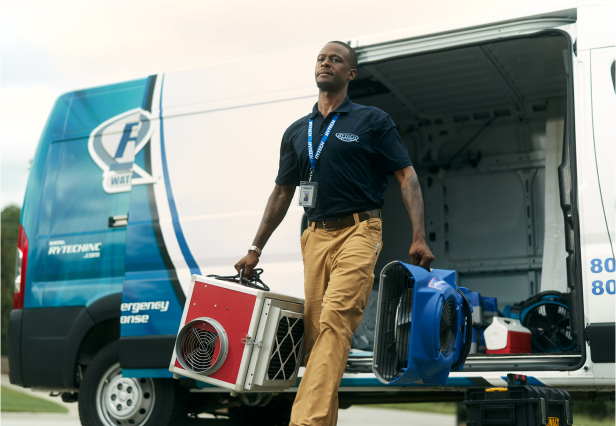
Rytech Restoration of Portland provides 24/7 emergency response for residential and commercial properties throughout Beaverton, Washington County, and surrounding Portland-area communities. Its IICRC-certified team uses professional moisture detection and drying methods while keeping property owners and insurance professionals informed throughout the restoration process.


