Property damage rarely happens at a convenient time. A pipe bursts overnight, a storm sends water into a building on a holiday weekend, or smoke and soot spread through a property after a fire. When emergencies occur, every hour matters. Fast action helps reduce the spread of damage, supports healthier indoor conditions, and improves the chances of restoring materials rather than replacing them.
For property owners, business owners, property managers, insurance professionals, and referral partners throughout Beaverton, Portland, Hillsboro, Tigard, and the surrounding communities of Washington, Clackamas, and Multnomah counties, understanding how emergency restoration works can help you make informed decisions when unexpected events occur. This article was developed using industry best practices and Rytech Restoration's commitment to science-based restoration principles.
When Disaster Strikes, Immediate Action Changes the Outcome
A small water intrusion can quickly become a much larger problem. Moisture moves through drywall, flooring, insulation, and structural materials. Smoke residues become more difficult to remove as they settle deeper into surfaces. Sewage contamination can spread throughout affected areas. Mold growth may begin within 24 to 48 hours when moisture remains unaddressed.
In Beaverton and throughout Washington County, Oregon's rainy climate creates additional challenges. Buildings are exposed to frequent moisture, making prompt response especially valuable after water intrusion events. Fast assessment and documented restoration procedures help property owners understand the scope of damage and establish a clear recovery plan.
Understanding Emergency Restoration Services
Emergency damage restoration services in Beaverton focus on stabilizing and restoring a property after unexpected damage. Rather than simply cleaning visible issues, restoration professionals identify underlying conditions, control moisture, document findings, and implement industry-recognized restoration procedures.
These services address a wide range of events, including water damage, fire and smoke damage, storm impacts, sewage backups, mold contamination, and other environmental concerns. Professional intervention brings specialized equipment, technical expertise, and established standards such as the ANSI/IICRC S500 Standard for Professional Water Damage Restoration and ANSI/IICRC S520 Standard for Professional Mold Remediation.
Common Types of Damage That Require Immediate Attention
Water Damage Restoration
Water damage remains one of the most common property emergencies throughout Beaverton, Hillsboro, Tigard, and Portland. Burst pipes during winter weather, appliance failures, roof leaks, and storm-related water intrusion frequently affect homes and commercial buildings.
Water rarely stays where it first appears. It travels through building assemblies, penetrates flooring systems, and migrates into wall cavities. Without professional moisture mapping and structural drying, hidden moisture may remain long after surfaces appear dry.
Fire and Smoke Damage Cleanup
The effects of fire extend well beyond the flames. Smoke particles can travel throughout a property, settling inside HVAC systems, electronics, furnishings, and building materials. Soot residues are often acidic and may continue affecting surfaces if not properly addressed.
Professional assessment helps determine how smoke, soot, and combustion byproducts have impacted the property while supporting healthier indoor conditions during recovery.
Flood and Storm Damage
Oregon properties occasionally experience severe weather events that bring flooding, roof damage, fallen trees, and water intrusion. Low-lying areas near rivers, creeks, and drainage systems may face elevated flood risks.
Rapid extraction, moisture detection, and structural drying help minimize secondary damage following storm events.
Sewage Backup and Contamination
Sewage backups present unique challenges because they may contain bacteria, viruses, and other contaminants. Professional restoration procedures involve containment, removal of contaminated materials when necessary, cleaning, and sanitation processes that align with industry guidelines.
Mold Remediation
Mold often develops after unresolved moisture problems. Leaking plumbing, roof issues, condensation, and inadequate ventilation can all contribute to mold growth.
Professional mold remediation focuses on identifying moisture sources, establishing proper containment, removing affected materials when necessary, and reducing elevated mold spore levels within the indoor environment. The goal is to restore normal fungal ecology while addressing the conditions that contributed to growth.
The Advantages of 24/7 Emergency Restoration Availability

Emergencies do not follow a schedule. Water losses occur overnight. Storms arrive on weekends. Fires happen during holidays.
Round-the-clock availability allows restoration professionals to begin stabilization efforts quickly. Early action frequently reduces the extent of secondary damage and provides property owners with greater clarity about the recovery process.
Local response also matters. Teams familiar with Beaverton, Portland, Lake Oswego, Tualatin, and surrounding communities understand local building styles, weather patterns, and common property challenges throughout Washington, Clackamas, and Multnomah counties.
Restoration Solutions for Homes and Businesses
Residential and commercial properties often require different approaches.
Homeowners typically focus on protecting their families, preserving belongings, and restoring normal daily life. Commercial property owners and managers often face additional concerns involving tenant operations, inventory, equipment, customer access, and business continuity.
Both environments benefit from detailed documentation, moisture mapping, ongoing monitoring, and communication throughout the restoration process.
Understanding the Restoration Process
Every property presents unique conditions, but most professional restoration projects follow a structured approach.
The process generally begins with emergency contact and dispatch, followed by a detailed damage assessment. Moisture detection equipment helps identify affected areas that may not be visible to the naked eye.
Water extraction and structural drying are then performed using commercial-grade equipment. Cleaning, deodorization, and sanitation procedures address contaminants and odors. Final inspections and project documentation help confirm that restoration goals have been achieved.
"Throughout Washington, Clackamas, and Multnomah counties, we frequently encounter moisture issues that remain hidden until they begin affecting indoor environments. The key to successful restoration is identifying the source, understanding the full extent of the impact, and following a documented process that addresses both visible and hidden conditions. Every property tells a different story, which is why thorough assessment and ongoing monitoring are so valuable."
David Lopez, Owner, Rytech Restoration of Portland
Specialized Services That May Be Needed
Certain situations require additional expertise beyond standard water or fire restoration.
Disinfection and biohazard cleaning may be necessary following contamination events. Structural drying and dehumidification help control moisture in hard-to-reach areas. Advanced odor removal techniques address smoke, mildew, sewage, and other persistent odors that affect indoor environments.
These specialized procedures rely on industry-recognized methodologies, advanced equipment, and ongoing environmental monitoring.
Working With Insurance Providers
Many property owners experience an insurance claim for the first time during a disaster. Understanding the process can feel overwhelming.
Detailed documentation, photographs, moisture readings, equipment logs, and communication records help create a clear picture of the loss. Restoration professionals often assist property owners by providing accurate documentation that supports communication with insurance carriers and adjusters.
The goal is not simply to document damage but to create a well-organized record of conditions and restoration activities.
Why Professional Restoration Matters
Attempting large-scale cleanup without professional guidance can create additional challenges. Hidden moisture often remains undetected without specialized equipment. Smoke residues may continue affecting surfaces. Contamination events require proper handling procedures.
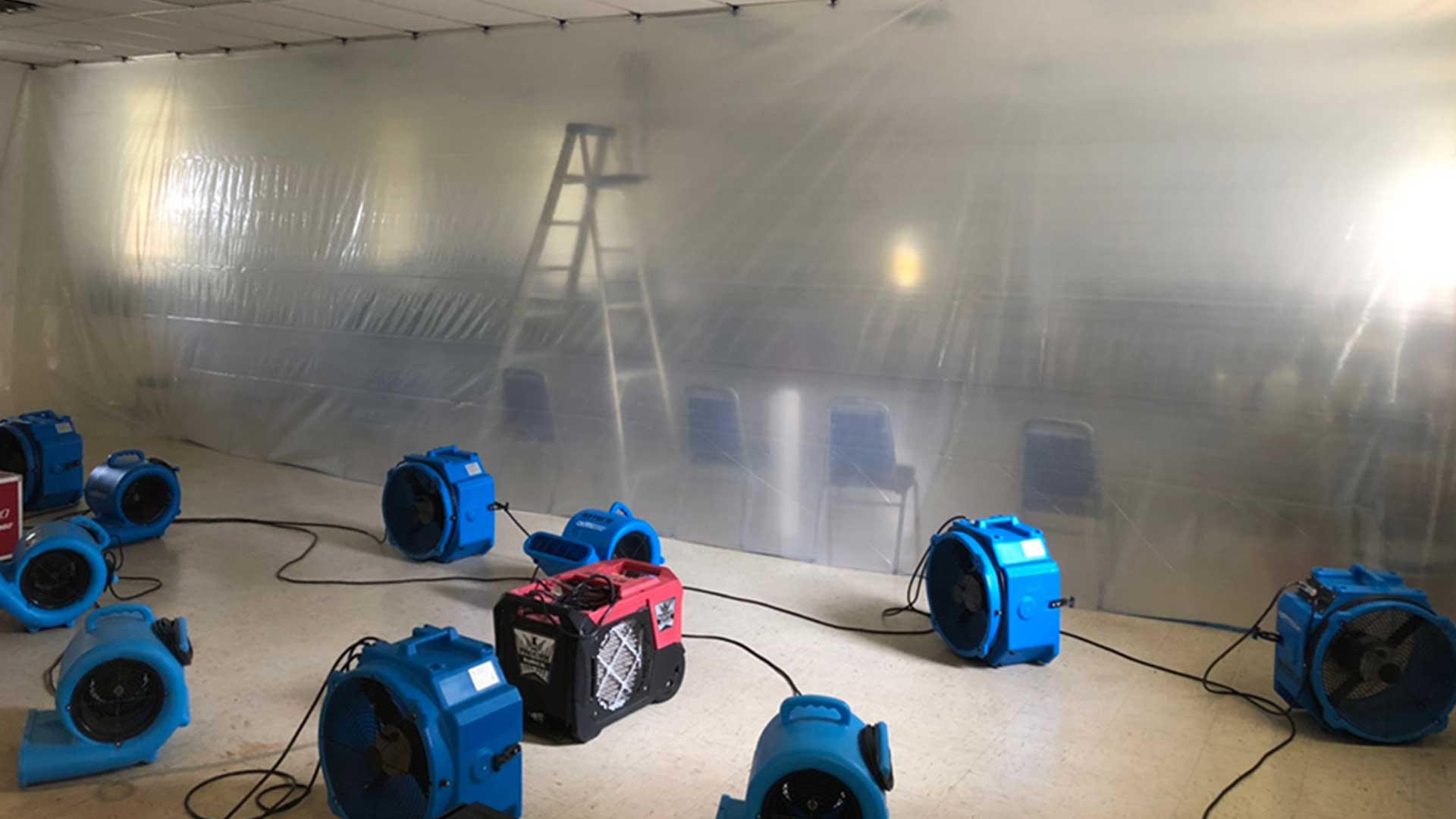
Professional restoration teams utilize commercial-grade extraction systems, dehumidifiers, air movers, air filtration devices, thermal imaging cameras, moisture meters, and other technologies designed to identify and address conditions that may not be visible.
Following established IICRC standards helps ensure restoration decisions are guided by science rather than assumptions.
Choosing the Right Emergency Restoration Partner in Beaverton
When evaluating emergency restoration providers, look beyond availability alone.
Consider response capabilities, certifications, licensing, insurance coverage, local experience, documentation procedures, and adherence to industry standards. A provider with strong local knowledge of Beaverton, Portland, Hillsboro, Lake Oswego, Tigard, and surrounding communities often brings valuable insight into regional building conditions and environmental challenges.
Many property owners also prefer working with organizations that offer comprehensive restoration capabilities and clear communication throughout the project lifecycle.
Be Prepared Before an Emergency Happens

One of the simplest steps property owners can take today is saving emergency contact information before it is needed. Having a plan in place helps reduce uncertainty during stressful situations and allows for faster decision-making when unexpected damage occurs.
Whether you're responsible for a family home in Beaverton, a commercial facility in Hillsboro, a retail center in Portland, or a multifamily property in Washington County, understanding how emergency restoration works can help protect your investment and support a more efficient recovery process.
FAQs about Disaster Restoration in Portland, Oregon
After water, fire, or mold damage, it’s common for homeowners and property managers to feel uncertain about what to do next. Across Washington, Clackamas, and Multnomah counties, many are looking for clear, trustworthy guidance to protect their properties and restore a safe indoor environment. At Rytech Restoration of Portland, we focus on making the recovery process easier to understand and less overwhelming. That’s why we’ve put together answers to common questions about restoration timelines, what the process involves, and what you can expect when working with experienced, certified professionals.


